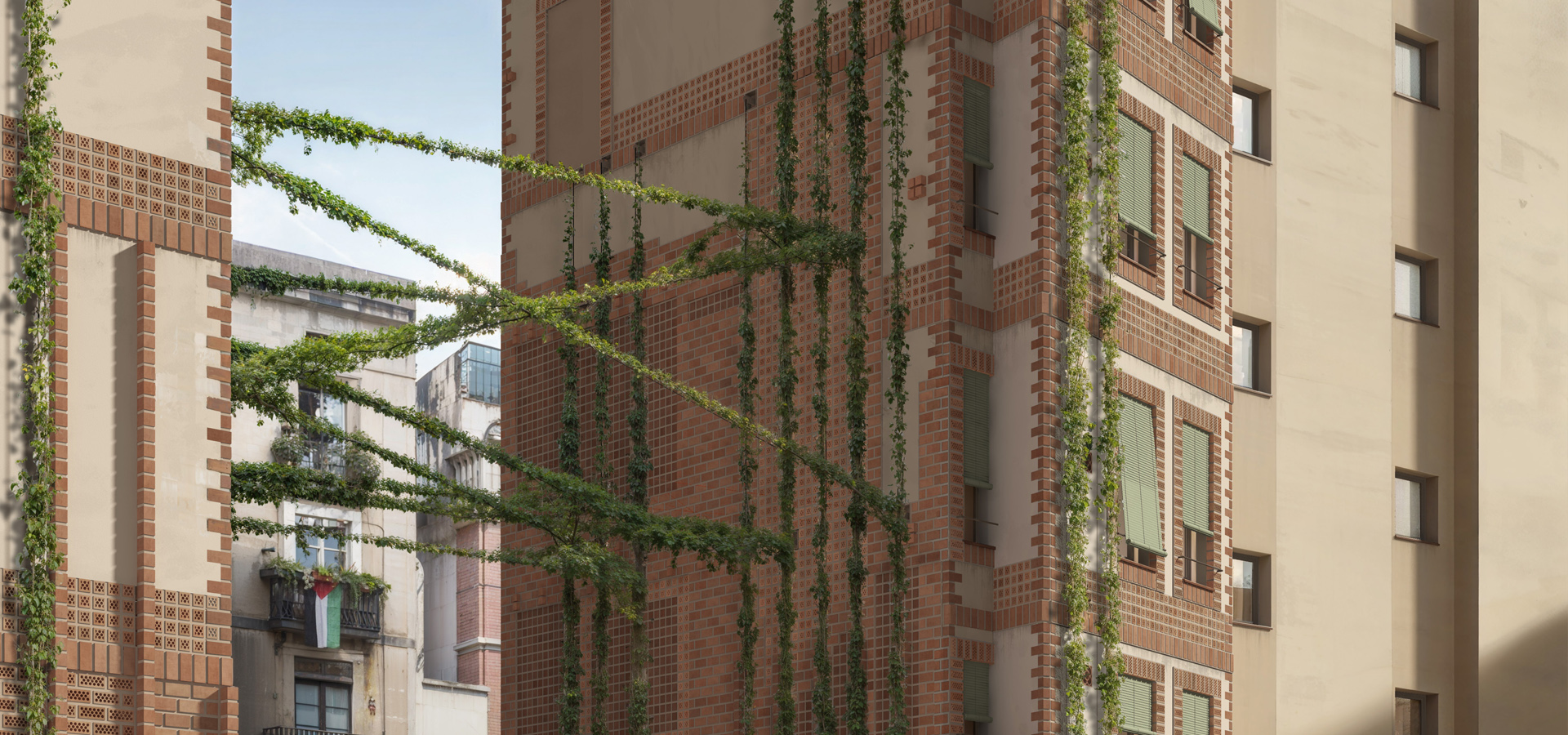
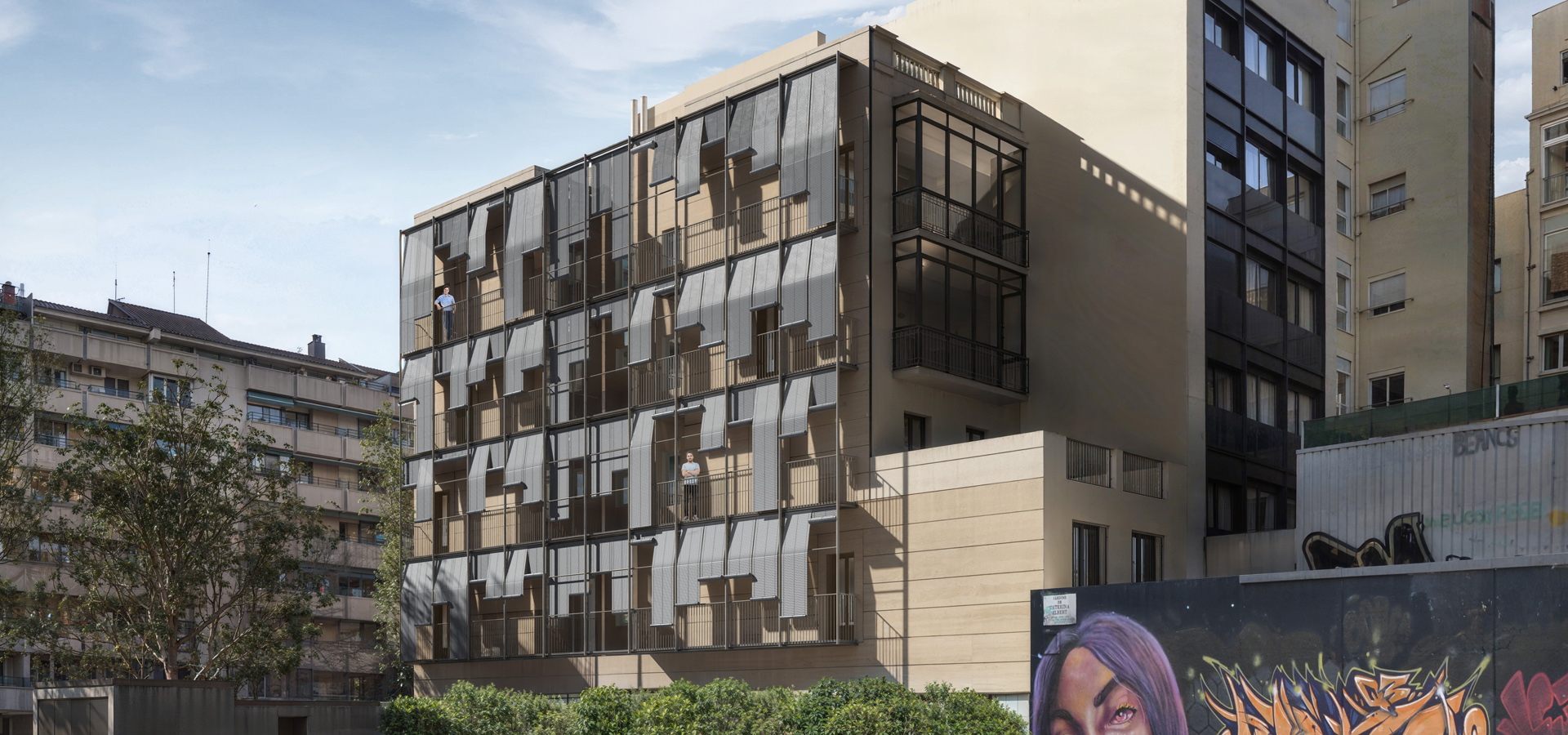
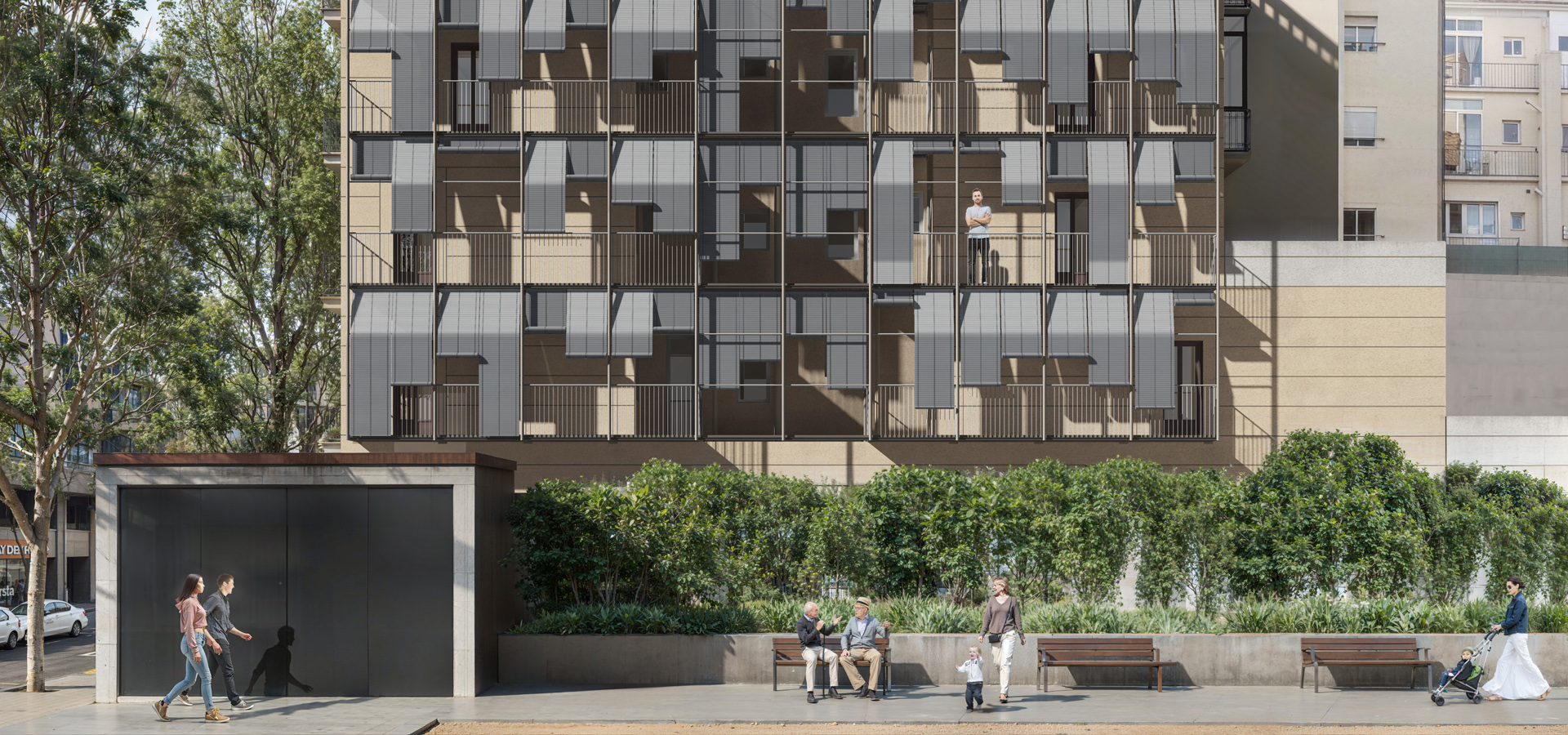
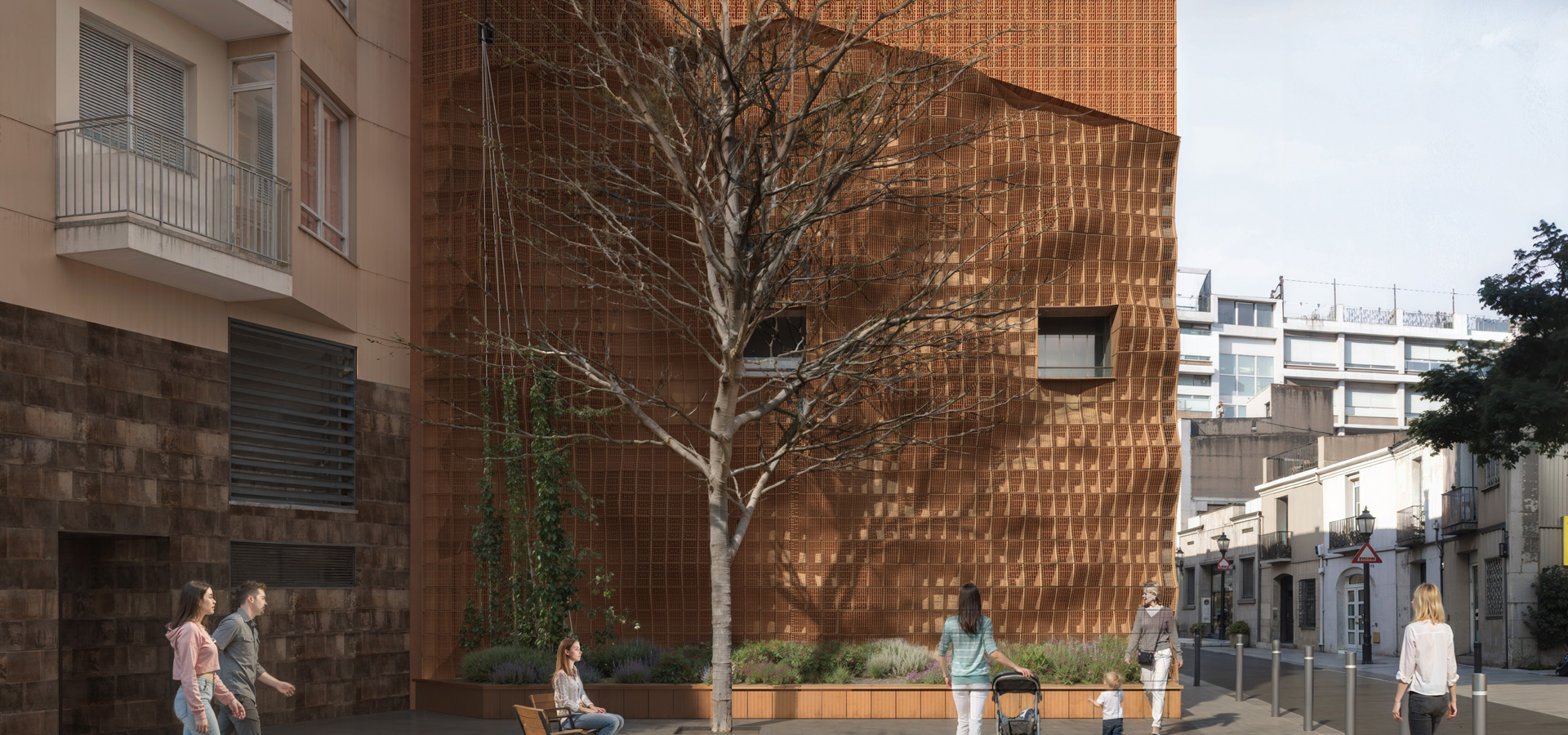
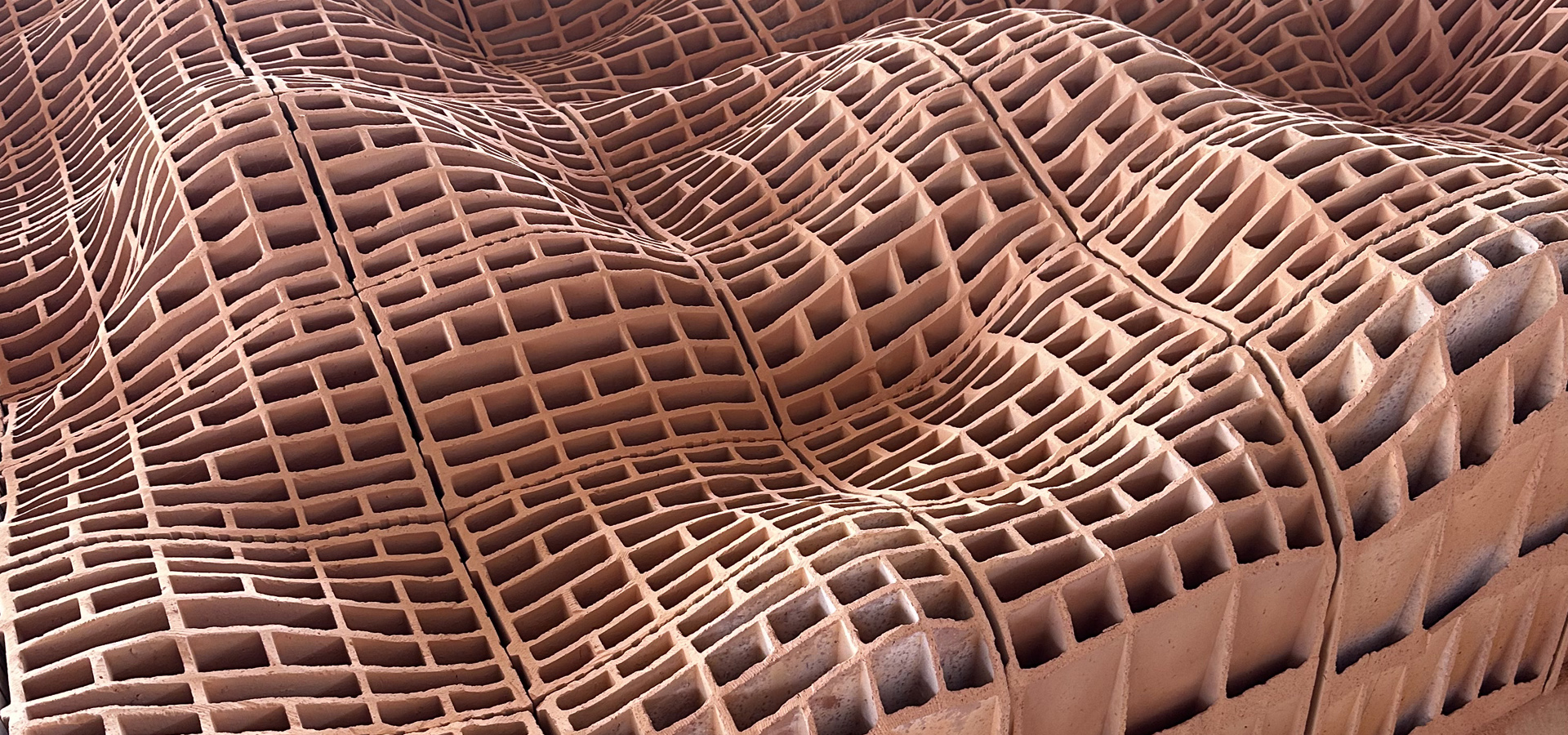
Exposed party walls, often perceived as residual elements of the urban fabric, become opportunities to rethink the relationship between architecture, public space and the city. Three interventions in Barcelona — Plaça Grau, Plaça Caterina Albert and Placeta Martina Castells — explore their potential to improve urban, landscape and residential quality, transforming these surfaces into active elements of the contemporary city.
Each proposal responds to a different urban context through a specific architectural and artistic approach. Developed in collaboration with different creative teams, the interventions address the transformation of existing party walls from a multidisciplinary perspective, combining design, technical research and urban strategies. Rather than treating these surfaces as isolated façades, the projects consider their relationship with the surrounding buildings, public spaces and everyday urban life.
Together, the three interventions form part of an applied research initiative exploring the role of party walls in shaping Barcelona's urban landscape. Through collaboration between architects, artists and public institutions, the projects investigate new ways of integrating these often-overlooked elements into the city, reinforcing the connection between architectural heritage, urban regeneration and the quality of shared spaces.